

Oil-Rich, Fuel-Poor: The Paradox That Keeps Ghana Struggling.
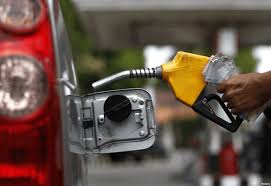
In 2007, Ghana discovered oil in commercial quantities. A milestone that promised economic transformation and a better life for its people.
Yet today, that promise feels distant. When global fuel prices rise, Ghanaians feel the impact almost immediately. Transport fares surge. Food prices soar. Utility bills climb. And the cedi struggles against the dollar. All this, while Ghana continues to extract thousands of barrels of crude oil from its own land and waters.
So the question remains: Why does Ghana still import refined petroleum products when we produce crude oil right here at home?
The answer lies in a flawed setup. Ghana’s oil sector is structured to export crude and import finished fuel. This system is not only economically inefficient, it’s dangerous. It increases foreign exchange pressures, weakens the cedi, and raises the cost of living for ordinary Ghanaians.
According to the Chamber of Bulk Oil Distributors (CBOD), Ghana spent over $2.7 billion in 2022 alone on fuel imports. That’s money that could have been reinvested into our economy if we refined our own oil.
Built in 1963, the Tema Oil Refinery (TOR) was meant to address exactly this issue. It once held the promise of refining Ghana’s oil and insulating the country from external shocks.
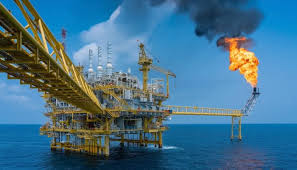
Today, Tema Oil Refinery is a shadow of its former self.
With aging infrastructure, poor management, political interference, and deep-rooted corruption, TOR now operates at less than 10% capacity, according to the Institute for Energy Security (IES). Often, it shuts down completely for months at a time.
This isn’t just a technical failure, it’s a National policy failure.
And the consequences are felt by every Ghanaian:
* Higher fuel prices at the pump
* Increased cost of transportation and food
* Rising utility bills
* Lost job opportunities in the energy sector
* A weaker currency and higher inflation
In short, our inability to refine our own oil contributes directly to the daily hardships of millions.
This is a solvable crisis. It however requires bold, non-partisan leadership and long-term commitment. The following steps are crucial:
1. With the right investment, technology, and leadership, TOR can regain its position as a cornerstone of Ghana’s energy independence, by rehabilitating and modernizing it.
2. We must reduce our reliance on imported fuel by prioritizing domestic refining. This saves foreign exchange and strengthens our economy.
3. TOR and other national assets should be managed by professionals, but not handed over to political loyalists.
4. Stop exporting raw resources only to import them at higher cost
Ghana has the crude oil. Ghana has the refinery. What we lack is consistent, visionary leadership and a sense of national urgency.
It’s time to stop treating strategic assets like political footballs. TOR should not be left to rot because of interests and short-sightedness. Ghana’s oil must serve Ghanaians, not burden them.
The solution is within reach, but it requires Political will, Strategic investment, and Public pressure.
Ghana has what it takes. Now, we must use it.
By : Emmanuel Kwaku Frimpong (Madiba)
Email: [email protected]
Tel: +233553732073


Nquibo…thumbs up bro..
I second it my brother… National assets shouldn’t indeed handed over to these pp loyalist and the public needs to be educated on what we all stand to gain when we mount pressure for things to be done right
Well said menua
“Ghana has the crude oil. Ghana has the refinery. What we lack is consistent, visionary leadership and a sense of national urgency”
My favorite part