

All You Need To Know About Africa’s Coldest Country With -29C
 Snow
SnowWhen people think of Africa, snow is rarely part of the image. Tropical coastlines, sun-drenched savannahs, and expansive deserts usually come to mind. However, several destinations across the continent regularly experience snow , and not just on its tallest peaks.
One of the most iconic snow-capped sites is Mount Kilimanjaro in Tanzania, Africa’s highest mountain. Its summit remains frozen year-round, thanks to its towering elevation, equatorial trade winds, and high-altitude anti-trades. Temperatures at the peak can plunge between -15°C and -29°C, especially during the Southern Hemisphere’s winter months (June to September).
Farther south, Lesotho offers another surprising glimpse of snow in Africa. The mountainous kingdom is the only country in the world situated entirely above 1,000 metres (3,280 feet) in elevation.
Nestled within South Africa, it is also one of only three enclave countries globally, alongside San Marino and Vatican City.
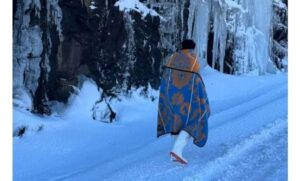
Inside Africa’s coldest country filled with glaciers, snow and ice and -29C temperatures
In Lesotho’s winter, snow is common , especially in the Maloti and Drakensberg Mountains. Lesotho’s capital, Maseru, sits at 1,600 metres, with temperatures ranging from just above freezing at night to 16°C during the day. The mountainous terrain regularly records sub-zero temperatures and snowfall.
Yes, Lesotho is home to a ski resort , the Afriski Mountain Resort. Its high-altitude location makes it suitable for skiing during the winter months. On average, Lesotho sees about eight snowfalls a year, according to scientists. This year, unseasonal snowfall was even recorded in spring.
NASA’s satellite images captured heavy snow over the Maloti-Drakensberg range in late September, confirming an unusually late snowfall driven by a cut-off low-pressure system , air masses that become separated from the main jet stream and bring unpredictable weather.
Inside Africa’s coldest country filled with glaciers, snow and ice and -29C temperatures
Maseru, the capital, has a temperate climate. Summers (December–February) are warm with occasional thunderstorms, while winters (June–August) are dry but cold, with temperatures dropping close to freezing. Higher elevations, such as Oxbow Lodge at 2,500 metres, are colder still , with icy nights and greater snowfall.
When to Visit Lesotho
The best time to visit Lesotho is during the summer months (December to February), despite the rains. It’s warmer and more accessible than the cold, dry winters.
However, spring and autumn , especially April and September , also offer mild weather and fewer downpours.
What to Pack
Winter (June–August): Warm clothing, down jackets, gloves, and hiking boots are essential.
Summer (December–February): Light clothing for the day, a warm layer for evenings, waterproofs, and a sun hat.Inside Africa’s coldest country filled with glaciers, snow and ice and -29C temperatures
Fast facts about Lesotho’s cold climate
1. High ElevationLesotho is the only country in the world entirely above 1,000 meters in elevation.2. Mountainous TerrainThe Drakensberg and Maloti Mountains dominate the landscape of the country. These mountains trap cold air and receive seasonal snowfall in winter (May to August).3. Winter Climate
Winter temperatures can drop below -10°C in highland areas.Inside Africa’s coldest country filled with glaciers, snow and ice and -29C temperatures
Africa’s climate is far more diverse than many assume. From the glaciers of Kilimanjaro to the ski slopes of Lesotho, the continent offers stunning , and often surprising , winter experiences.
Whether you’re a snow chaser or simply curious about climate oddities, these African destinations prove that the continent is full of surprises , including snow.
Source: thepressradio.com

