

Ghanaian Cedi Depreciates To GH₵10.75 Against The US Dollar On Interbank Market
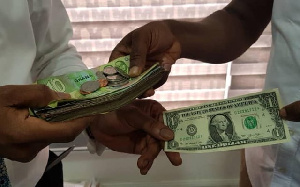
The Ghanaian cedi has experienced a slight depreciation, trading at GH₵10.75 against the US dollar on the interbank market, according to the latest update from the Bank of Ghana (BoG).
The central bank’s daily foreign exchange report indicates that the cedi is currently trading at a buying rate of GH₵10.74 and a selling rate of GH₵10.75 per US dollar. This movement reflects ongoing market pressures and fluctuations in Ghana’s currency value in relation to the greenback.
Implications for the Economy
The depreciation of the cedi can have multiple effects on Ghana’s economy, including:
Higher import costs: Businesses importing goods from abroad may face increased expenses, potentially leading to higher prices for consumers.
Impact on inflation: The weakened cedi could contribute to inflationary pressures as import costs rise.
Exchange rate volatility: Businesses and individuals involved in foreign currency transactions may need to adjust strategies to manage currency risk.
Factors Behind the Depreciation
Economists attribute the cedi’s fluctuation to several factors:
Global economic conditions: Movements in the US dollar and international financial markets influence Ghana’s exchange rate.
Trade imbalances: High import demand relative to exports can place pressure on the local currency.
Monetary policy and liquidity: Central bank interventions and market liquidity affect the cedi’s stability on the interbank market.
Bank of Ghana Response
The Bank of Ghana continues to monitor the foreign exchange market closely. Authorities have reassured the public that measures are in place to ensure stability and maintain investor confidence in the cedi.
Market analysts advise businesses and consumers to stay informed about exchange rate trends and consider hedging strategies where applicable to mitigate the impact of currency fluctuations.
The cedi’s current level underscores the need for careful financial planning, particularly for import-dependent industries and individuals relying on foreign currency transactions.
Source: Thepressradio.com

