

Ghana’s Hidden Crisis: Why Thousands Still Lack a Place of Convenience at Home.
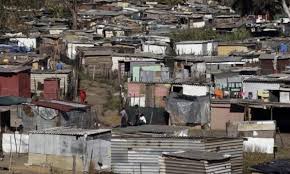
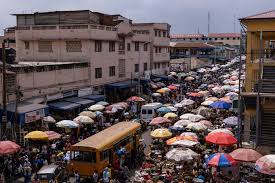
As Ghana’s urban landscape evolves with dazzling skyscrapers, modern malls, and a burgeoning digital economy, a hidden yet urgent crisis threatens the health, dignity, and safety of millions: the lack of basic sanitation in households.
While development narratives often focus on visible symbols of progress, a significant portion of the population, particularly in low-income communities continues to live without access to a clean, private, and safe place of convenience at home. This silent crisis has massive implications.
In homes across the country, basic sanitation remains a luxury. Some households share public toilets located far away, while others resort to makeshift options such as buckets or plastic bags especially at night.
The 2021 Population and Housing Census reported that nearly 17% of households in Ghana practice open defecation, and over 20% rely on public toilets, many of which are unhygienic or unsafe.
– Health: Diseases such as cholera, typhoid, hepatitis A, and diarrhea flourish in communities with inadequate sanitation. Children, the elderly, and immunocompromised individuals are most at risk.
– Safety: For women and girls, the lack of access to a private place of convenience increases vulnerability to harassment and assault, especially during nighttime trips to public or open spaces.
– Environment: Human waste improperly disposed into drains, gutters, and open spaces worsens flooding, pollutes water bodies, and degrades the environment.
Ghana is a signatory to the United Nations Sustainable Development Goals (SDGs), particularly Goal 6.2, which seeks to “achieve access to adequate and equitable sanitation and hygiene for all and end open defecation by 2030.”
However, current conditions indicate that the country is off track to meet this target unless decisive, collective action is taken.
A modern economy cannot thrive while citizens lack basic hygiene infrastructure at home.

Addressing Ghana’s sanitation crisis requires action from every corner of society:
1. Landlords
Ensure every housing unit includes a private, hygienic place of convenience. Sanitation is not a luxury. It is a human right and a legal responsibility under national building codes.
2. Government and City Authorities must enforce construction standards that require places of convenience in all residential developments. Provide targeted subsidies or incentives for low-income communities.
3. Citizens must demand accountability as well as Advocating for clean, safe sanitation in your communities.
Ghana cannot claim progress while significant segments of its population are denied the dignity of a clean toilet at home.
True development goes beyond buildings and bridges. It involves human well-being, environmental integrity, and social equity.
Until:
– Every home; urban or rural has a functional, private place of convenience,
– No woman fears being assaulted just to relieve herself,
– Children grow up in health, safety, and dignity…
Our national development remains incomplete.
By : Emmanuel Kwaku Frimpong (Madiba)
Email : [email protected]
Tel: +233 (0) 553732073


Great job, sir.
Keep it up!